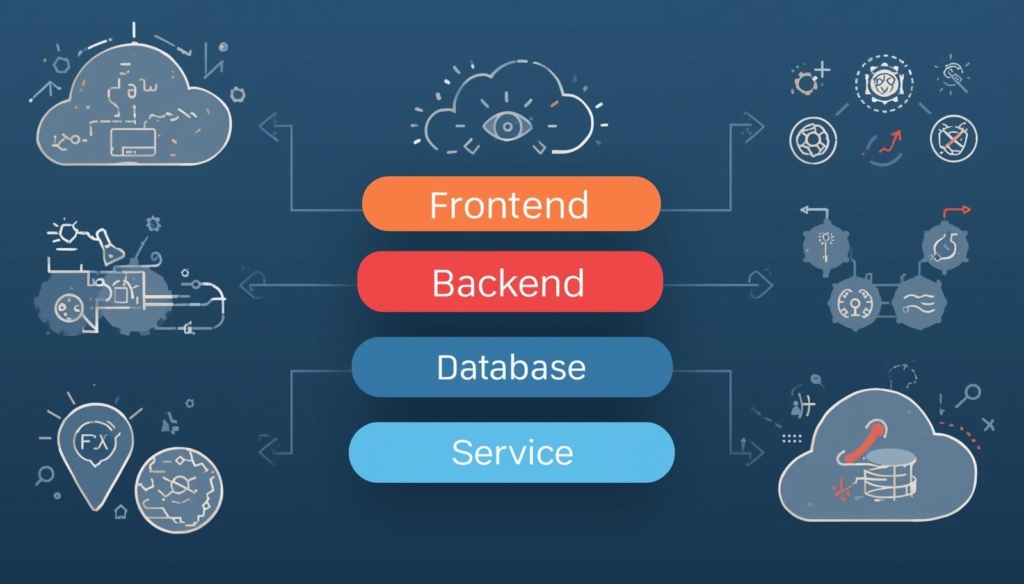
Is Your Tech Stack Creating Operational Debt?
Why Scaling Ventures Stall
In the early days of a venture, speed is everything. You grab a CRM here, a project management tool there, and a patchwork of marketing plugins to get the doors open. It’s messy, but it works.
However, as you move from “startup” to “scale,” that patchwork starts to pull back.
At Artoria Media, we call this Operational Tech Debt. Just like financial debt, it carries an interest rate, one paid in lost hours, manual data entry, and missed opportunities. If left unchecked, it is the primary reason why high-potential ventures eventually stall.
What is Operational Tech Debt?
Operational Tech Debt occurs when your digital infrastructure can no longer support the complexity of your business. It’s the “silent killer” of growth. You know you have it if:
-
Your team spends more time moving data between spreadsheets than talking to customers.
-
Your marketing data doesn’t talk to your sales CRM.
-
You are paying for twelve different SaaS subscriptions, but only using 20% of their capabilities.
The Scaling Paradox
The paradox of scaling is that the tools intended to save you time often end up consuming it. When your systems are siloed, your “Single Source of Truth” disappears. Leadership begins making decisions based on fragmented data, and the engineering team spends their time “patching” holes instead of building new value.
Three Signs Your Tech Stack is Holding You Back
1. The “Manual Bridge”: If your workflow requires a human being to manually copy data from one platform to another, you aren’t scaling; you’re just working harder. A scalable venture relies on automation and integration, not manual labor.
2. Fragmented Customer Journeys: When your marketing tech isn’t integrated with your product architecture, the customer experience feels disjointed. Prospects fall through the cracks because your systems aren’t “handing off” leads effectively.
3. Data Blindness: Can you see your true Customer Acquisition Cost (CAC) and Lifetime Value (LTV) in real-time? If it takes three days to pull a report, your tech stack is a liability, not an asset.
How to Eliminate the Debt
Eliminating operational debt isn’t about buying more software; it’s about implementing a unified system. As a firm that bridges the gap between executive strategy and elite engineering, we look at tech stacks through a COO’s lens. We don’t just ask “Does it work?” We ask “Does it scale?”
To move past the stall, you must transition from a “collection of tools” to a unified digital ecosystem. This requires a roadmap that aligns your technical capabilities with your 12-month revenue goals.
The Strategic Next Step
Is your current infrastructure built for where you are, or where you’re going?
At Artoria Media, we partner with leaders to audit operational bottlenecks, architect and help implement the systems required for the next stage of growth.